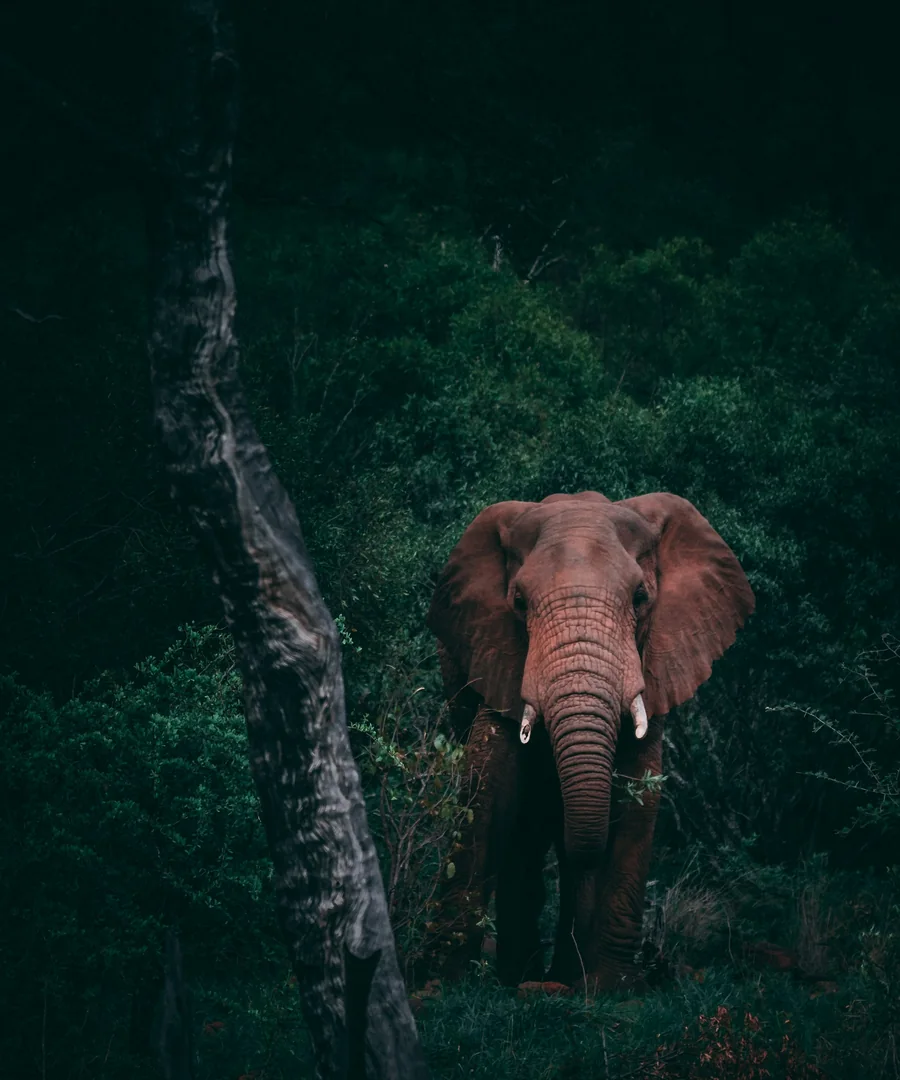
Jim Corbett National Park, set up in 1936, is India’s oldest national park and one of the easiest wild escapes from Delhi NCR. A few days here mix early safaris, river walks and slow afternoons at a resort, which makes it a favourite for families, friends and corporate groups alike.
When to go
The most popular season runs from November to June. Winter mornings are crisp and misty, while April to June brings warmer days and good chances of spotting animals near water. Several zones close during the monsoon, so check zone timings before you plan dates.
Understanding the safari zones
The park is divided into zones such as Bijrani, Jhirna, Dhela, Dhikala and Durga Devi, each with its own gate and landscape. Dhikala is known for grasslands and overnight forest stays, while zones like Jhirna and Dhela usually stay open for more of the year. Our Jim Corbett safari guide compares every zone and explains how to book.
Where to stay
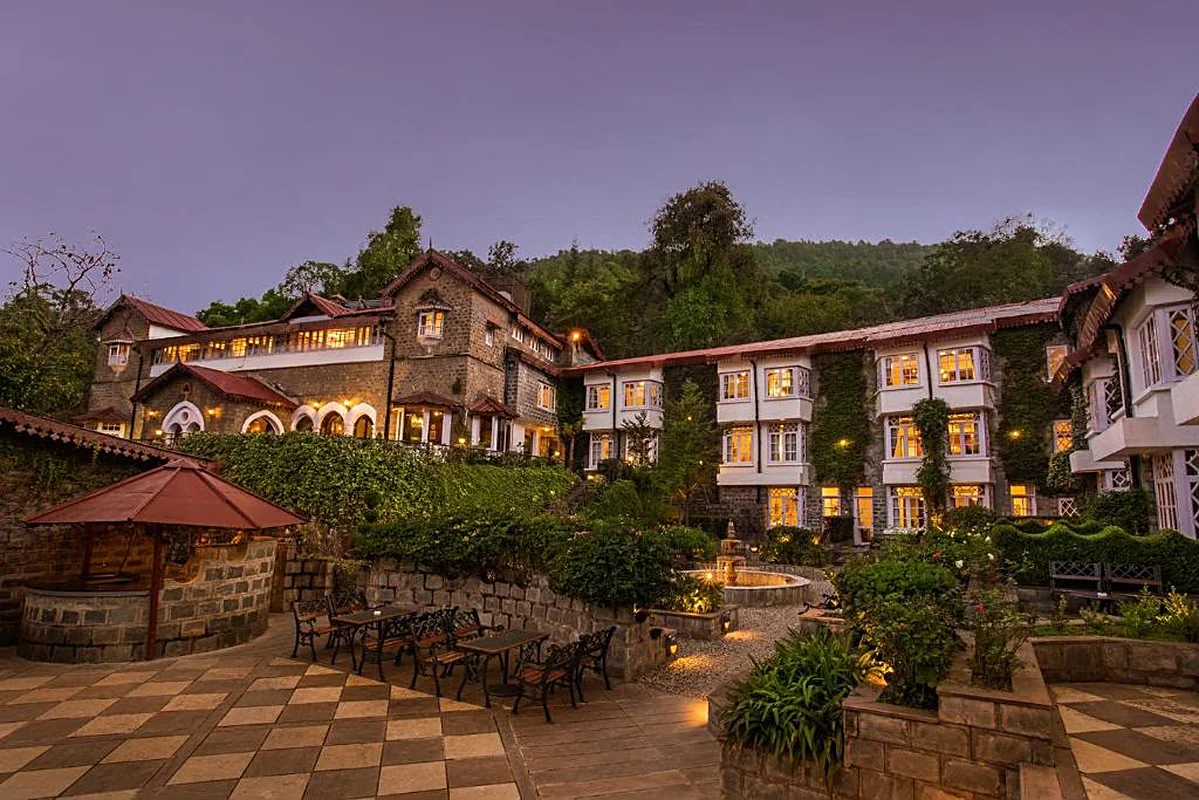
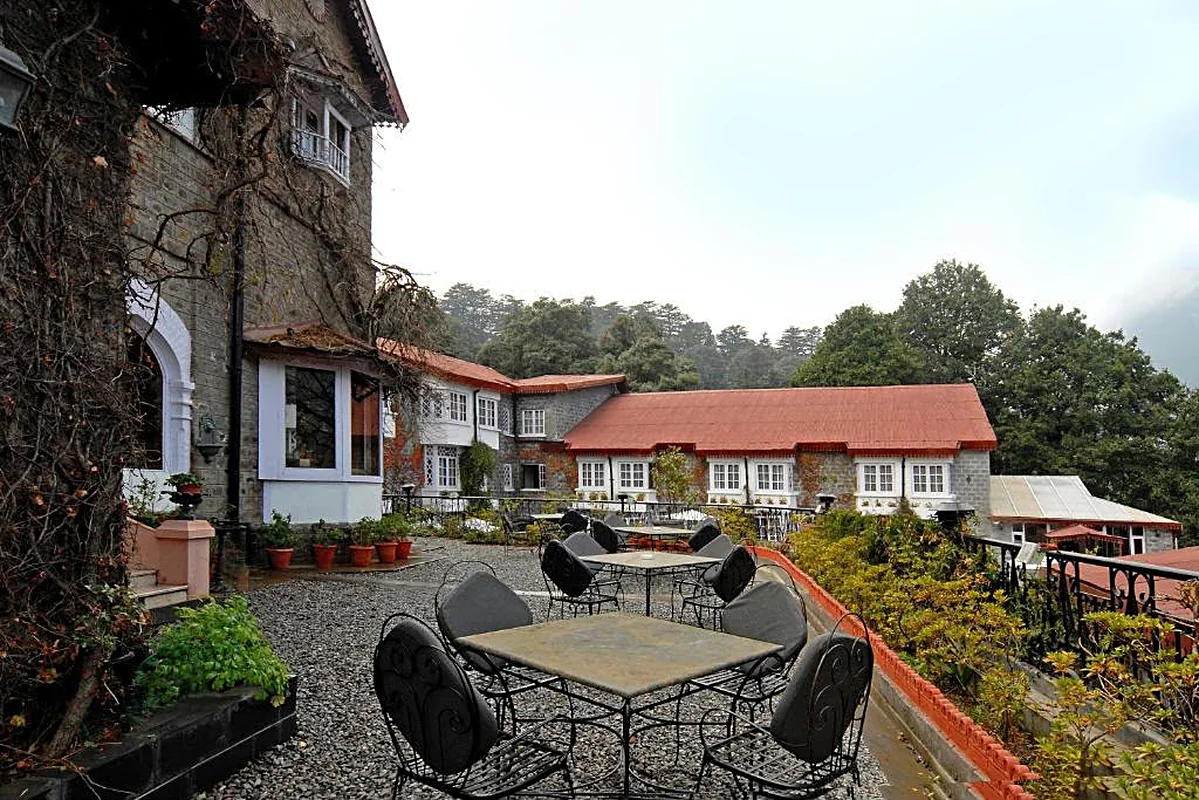
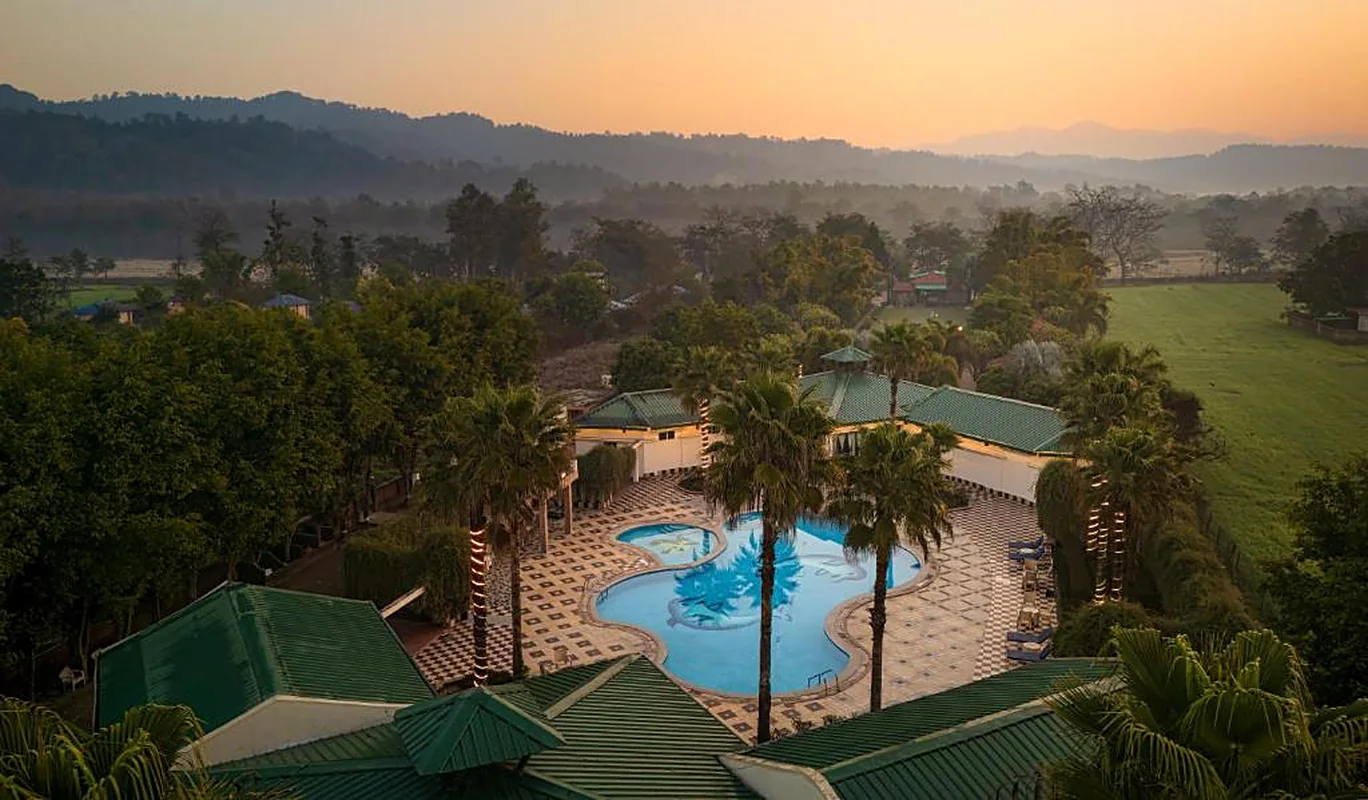
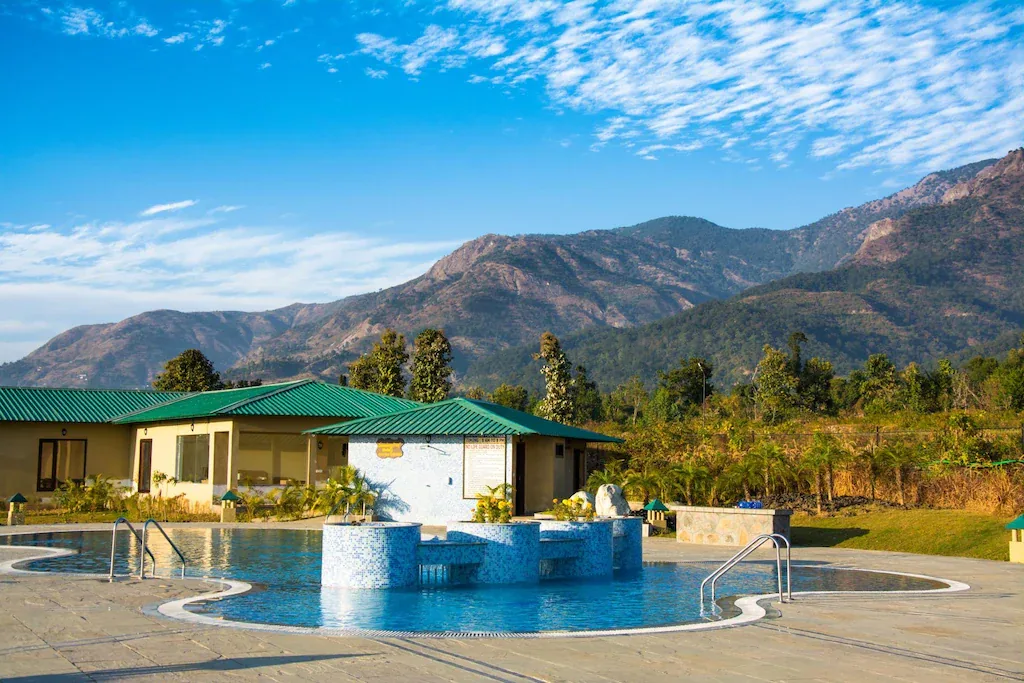
Most resorts sit along the Kosi river near Ramnagar and Dhikuli, a short drive from the main gates. Look for a property with a pool, open lawns and good food, since you will spend the middle of the day there between safaris. Browse our Jim Corbett resorts or read our pick of the best resorts in Jim Corbett.
What to pack
- Neutral, earthy clothing for safaris (avoid bright colours)
- A warm layer for open jeeps on winter mornings
- Binoculars and a camera with a zoom lens
- Sunscreen, a cap and a refillable water bottle
- Original photo ID for safari entry
Beyond the safari
Visit the Garjiya Devi temple on a rock in the Kosi river, walk to Corbett Falls, or spend an evening by the river with a bonfire at your resort. Two nights is enough for a first visit; three lets you add a second safari zone without rushing.