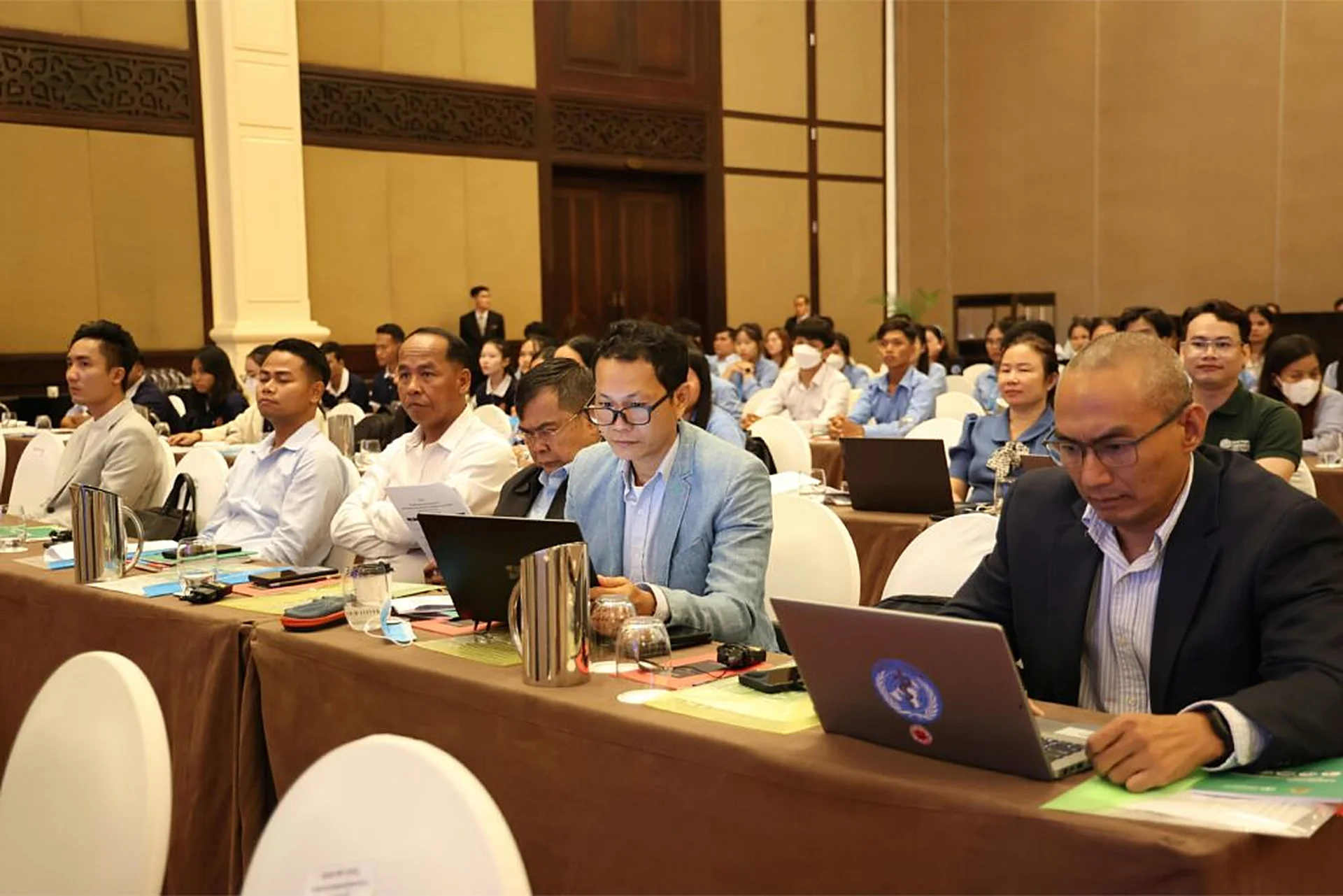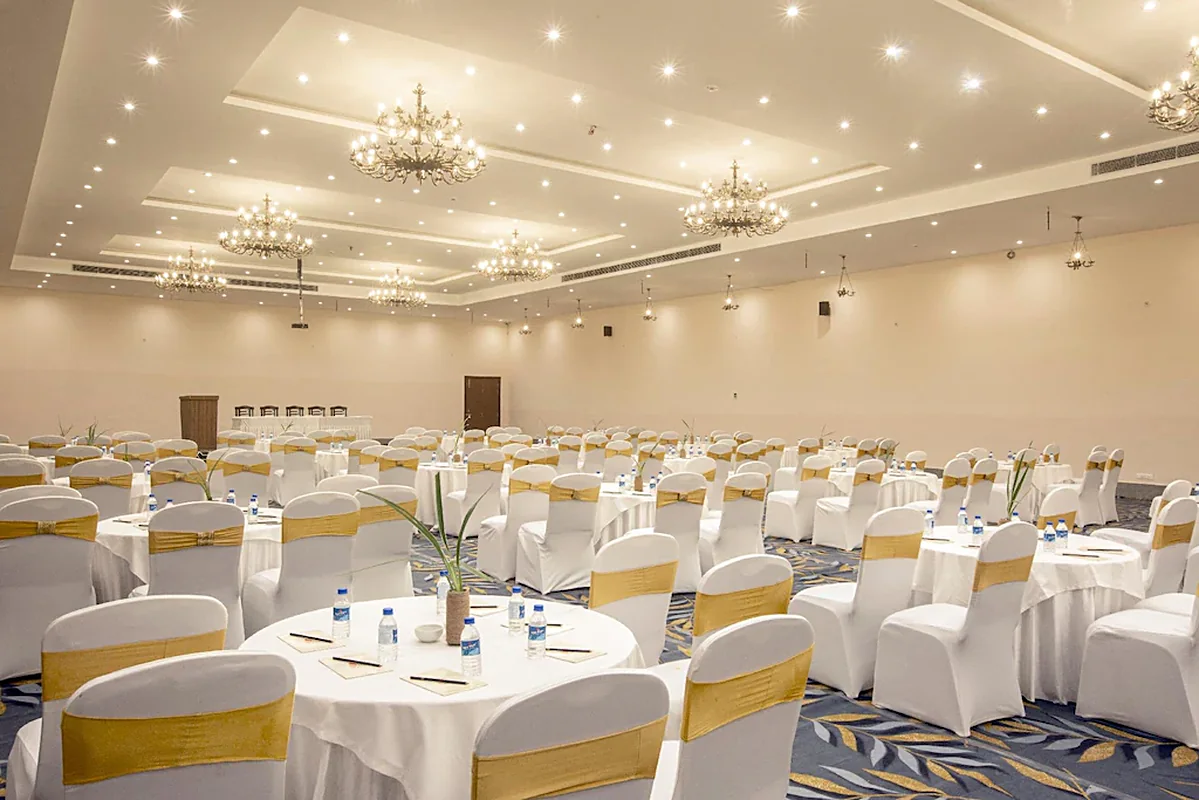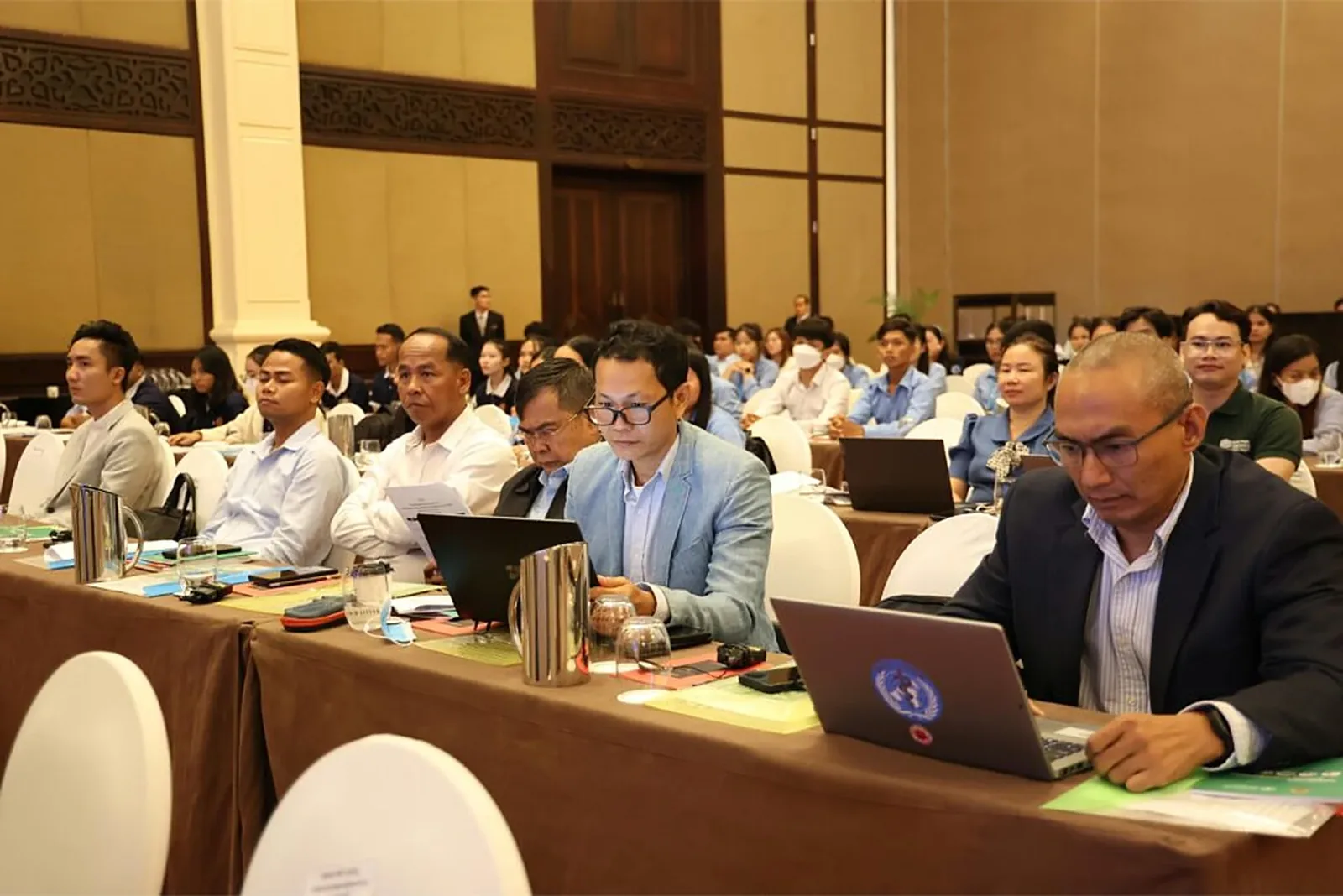
A conference venue does a lot of quiet work. When it is right, delegates focus on the sessions and conversations. When it is wrong, people remember the cold hall, the weak Wi-Fi or the long queue for lunch. Here is what we check before we recommend a space.
Match the hall to the format
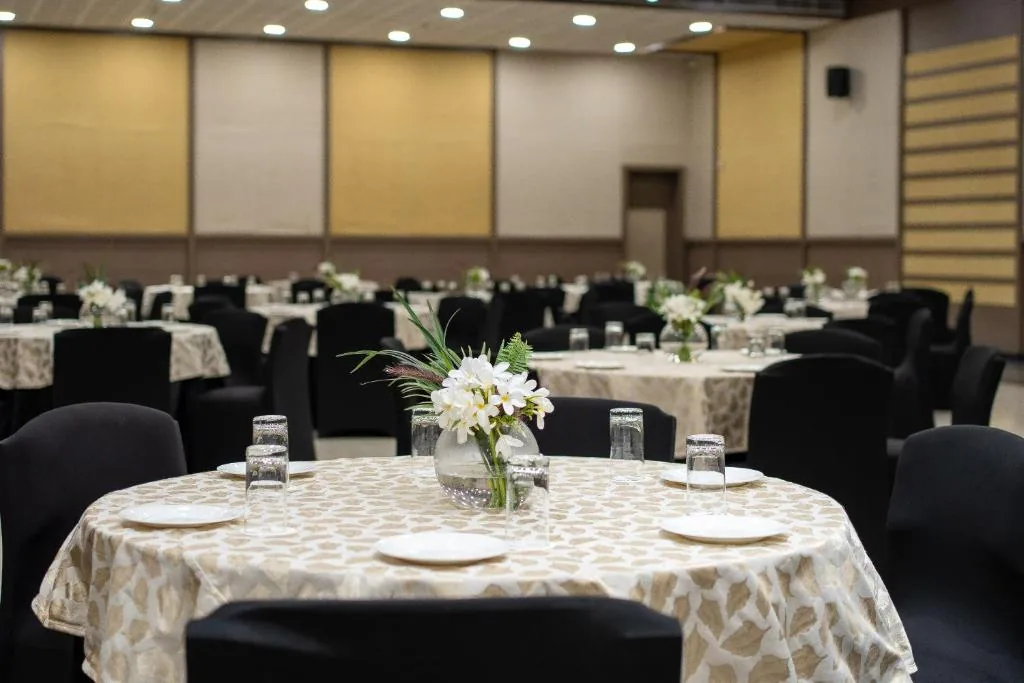
Theatre seating fits the most people but suits only listening. Classroom seating, with desks, works for workshops and note-taking. Cluster or round-table layouts suit group discussions. Ask the venue for capacity in the exact layout you plan to use, not just the maximum.
Check the technology in person
- Projector or LED wall that is readable from the back row
- Wired and wireless microphones, with spares
- Wi-Fi that can handle every delegate at once
- Power points near seating for laptops
- An on-site technician during sessions
Plan the breaks as carefully as the sessions
Tea breaks and lunch are where most networking happens. Make sure there is a separate area close to the hall so food service does not interrupt sessions, and that service can feed everyone within the time you have set aside.
Keep stays and sessions together
For multi-day events, a venue with rooms on-site saves transfer time each morning and makes evening dinners easier. If delegates must stay elsewhere, schedule shuttles around the agenda rather than the other way round. Looking for a location? Compare the best corporate offsite destinations near Delhi NCR.