The best student trips connect what is taught in class with what can be seen, touched and asked about in person. A forest trail makes ecology real; a heritage walk brings a history chapter to life. Getting there safely and smoothly is what lets that learning happen.
Link every stop to a learning goal
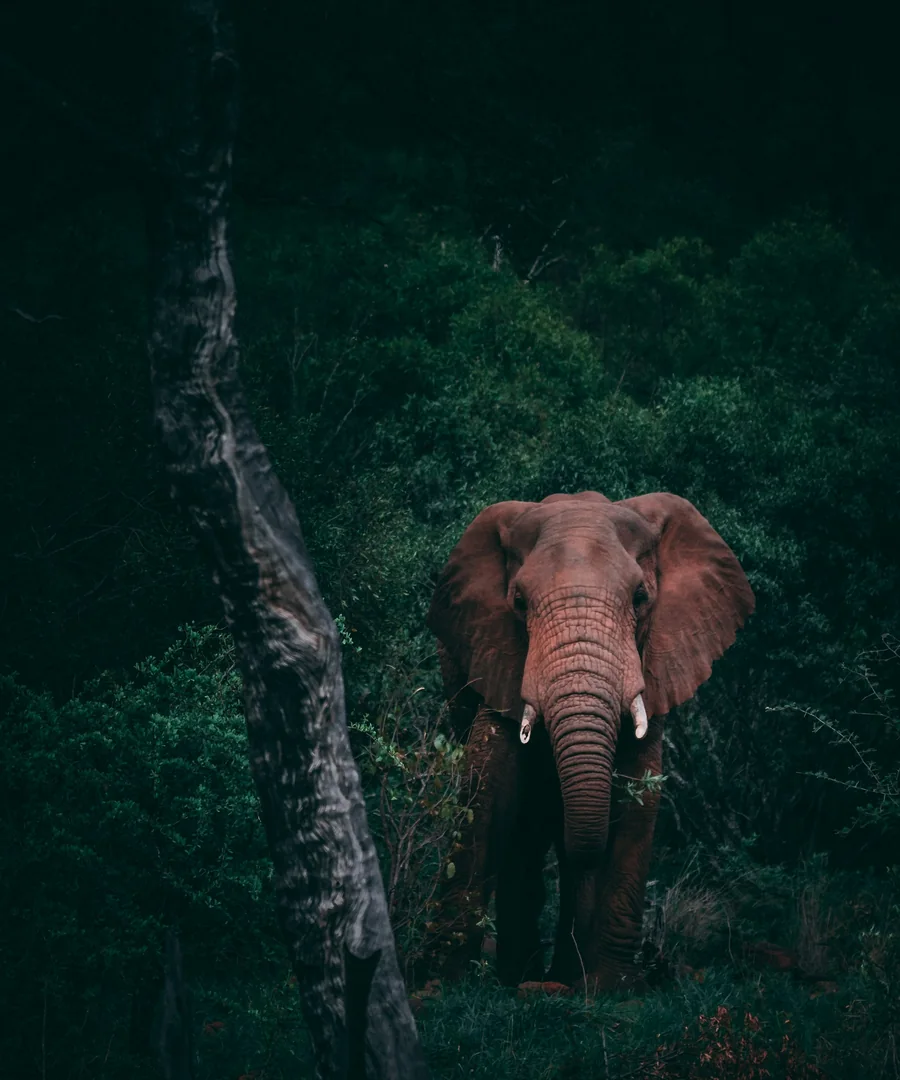
Before choosing a destination, list what students should take away. A wildlife reserve like Jim Corbett suits biology and environmental studies, hill towns suit geography, and heritage cities suit history and architecture. Share a short worksheet before the trip so students know what to look for. See how we plan student and school trips.
Put safety first, visibly
- Verified transport with experienced drivers
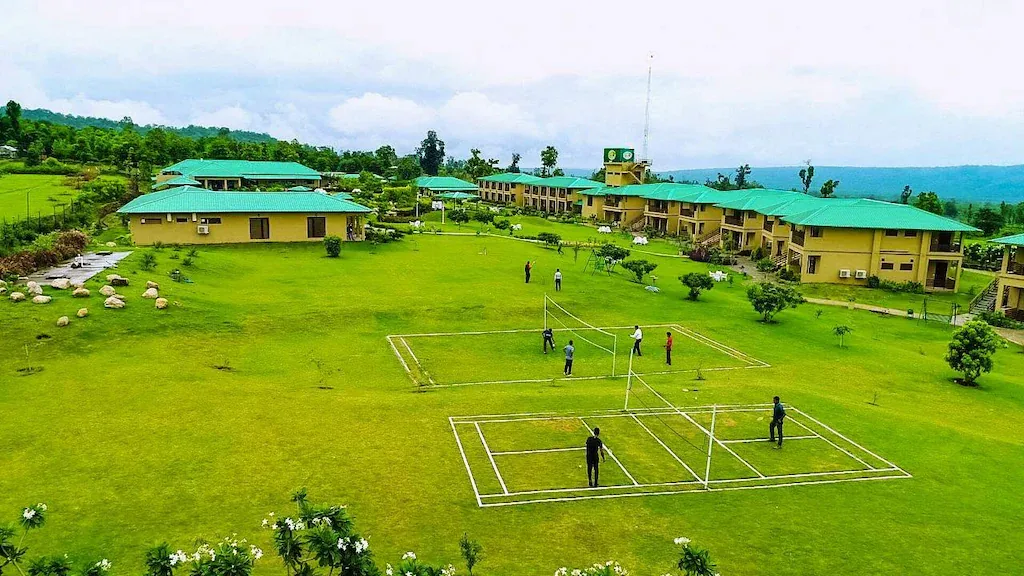
- Separate, supervised accommodation for boys and girls
- A clear teacher-to-student ratio for every activity
- First-aid support and a list of nearby hospitals
- Parent consent forms and an emergency contact sheet
Keep the pace realistic
Packing too much into a day tires students quickly. Two main activities a day, with time to eat, rest and talk about what they saw, usually works better than a long list of stops.
End with reflection
A group discussion on the last evening, or a small project after returning, turns a fun trip into lasting learning.